Master’s Dissertation Survey Questionnaire Design: Essential Rules and Best Practices can look complicated at first. Students often have limited time. They also need to meet clear academic expectations. This guide breaks the task into manageable steps. It focuses on useful decisions, real research practices and common errors.
You will find advice on Master’s dissertation questionnaire, survey questions, Likert scale, pilot testing and research ethics. Examples are illustrative. They are not reported results from a new survey or study. Always check your own university handbook for binding requirements.
Quick overview
| Check | Practical action |
| What a dissertation questionnaire must achieve | Identify the requirement, collect suitable evidence and record the next action. |
| Translate research objectives into survey items | Identify the requirement, collect suitable evidence and record the next action. |
| Choose question types carefully | Identify the requirement, collect suitable evidence and record the next action. |
| Write neutral and precise wording | Identify the requirement, collect suitable evidence and record the next action. |
| Build a useful Likert scale | Identify the requirement, collect suitable evidence and record the next action. |
What a dissertation questionnaire must achieve
What a dissertation questionnaire must achieve matters because it affects the quality of your master’s dissertation questionnaire. Start with the purpose of the work. Then check what your university or awarding body actually expects. A clear decision at this stage can prevent avoidable changes later.
Use a small, testable question rather than a sweeping claim. Identify the people, evidence or documents involved. Write down what you can access. Separate facts from assumptions. This makes your plan easier to explain to a supervisor or reviewer.
A practical starting point is to read three relevant sources. Record each source’s central argument, method and limitations. Then compare them. Look for differences in setting, population or interpretation. Do not describe a research gap as proven until you have checked the wider literature.
For example, consider this contrast: Poor: Do you agree our excellent online teaching is effective?. A more useful approach is: Better: How satisfied are you with the clarity of online teaching?. The revised wording is more specific. It also shows what evidence you would need. Adapt the example to your course rather than copying it as your final project.
Next, turn the idea into a short action plan. Decide what you will produce, how you will assess quality and when you will review progress. Keep the plan visible. If a step depends on access, consent or formal approval, resolve that dependency before collecting data.
Check the language you use. Words such as “prove”, “always” and “guarantee” can make an academic claim too strong. Prefer measured statements. Explain the limits of your evidence. A small but well-supported finding is more useful than an impressive claim you cannot defend.
Finally, ask for feedback. Show your question, a brief rationale and the evidence you expect to use. Ask what is missing. Record the advice and decide which changes are necessary. This creates a transparent route from early planning to a stronger final submission.
Translate research objectives into survey items
Translate research objectives into survey items matters because it affects the quality of your master’s dissertation questionnaire. Start with the purpose of the work. Then check what your university or awarding body actually expects. A clear decision at this stage can prevent avoidable changes later.
Use a small, testable question rather than a sweeping claim. Identify the people, evidence or documents involved. Write down what you can access. Separate facts from assumptions. This makes your plan easier to explain to a supervisor or reviewer.
A practical starting point is to read three relevant sources. Record each source’s central argument, method and limitations. Then compare them. Look for differences in setting, population or interpretation. Do not describe a research gap as proven until you have checked the wider literature.
For example, consider this contrast: Poor: Do you agree our excellent online teaching is effective?. A more useful approach is: Better: How satisfied are you with the clarity of online teaching?. The revised wording is more specific. It also shows what evidence you would need. Adapt the example to your course rather than copying it as your final project.
Next, turn the idea into a short action plan. Decide what you will produce, how you will assess quality and when you will review progress. Keep the plan visible. If a step depends on access, consent or formal approval, resolve that dependency before collecting data.
Check the language you use. Words such as “prove”, “always” and “guarantee” can make an academic claim too strong. Prefer measured statements. Explain the limits of your evidence. A small but well-supported finding is more useful than an impressive claim you cannot defend.
Finally, ask for feedback. Show your question, a brief rationale and the evidence you expect to use. Ask what is missing. Record the advice and decide which changes are necessary. This creates a transparent route from early planning to a stronger final submission.
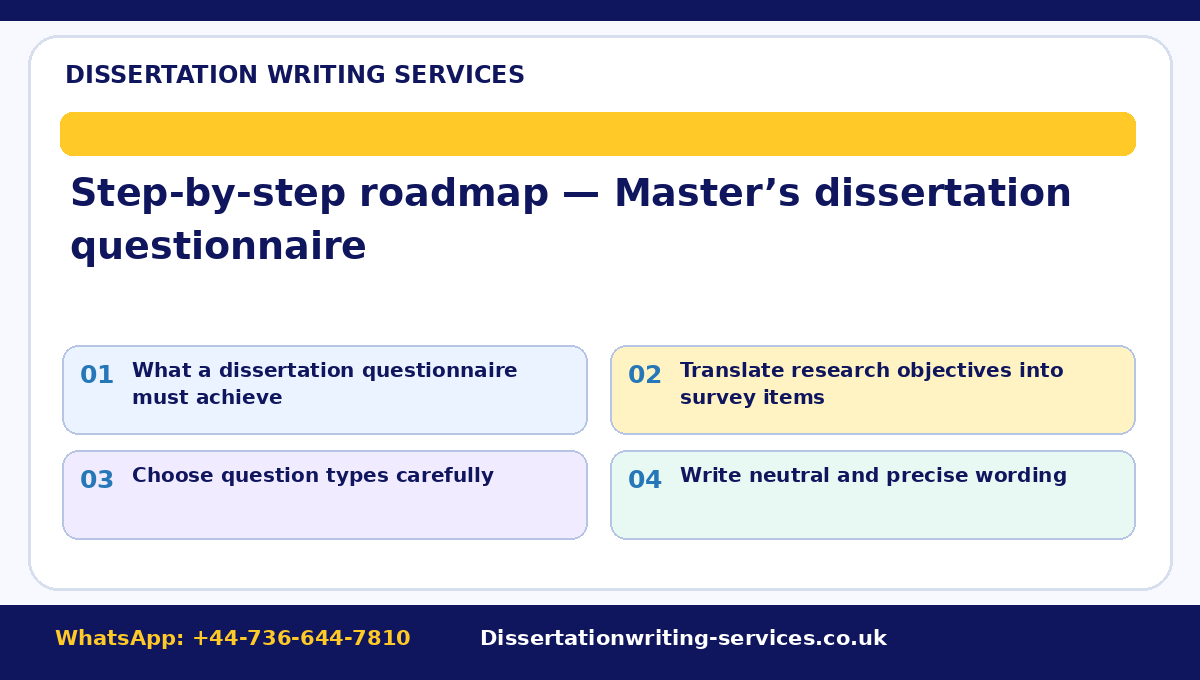
Figure 1. Translate research objectives into survey items: an illustrative planning graphic.
Choose question types carefully
Choose question types carefully matters because it affects the quality of your master’s dissertation questionnaire. Start with the purpose of the work. Then check what your university or awarding body actually expects. A clear decision at this stage can prevent avoidable changes later.
Use a small, testable question rather than a sweeping claim. Identify the people, evidence or documents involved. Write down what you can access. Separate facts from assumptions. This makes your plan easier to explain to a supervisor or reviewer.
A practical starting point is to read three relevant sources. Record each source’s central argument, method and limitations. Then compare them. Look for differences in setting, population or interpretation. Do not describe a research gap as proven until you have checked the wider literature.
For example, consider this contrast: Poor: Do you agree our excellent online teaching is effective?. A more useful approach is: Better: How satisfied are you with the clarity of online teaching?. The revised wording is more specific. It also shows what evidence you would need. Adapt the example to your course rather than copying it as your final project.
Next, turn the idea into a short action plan. Decide what you will produce, how you will assess quality and when you will review progress. Keep the plan visible. If a step depends on access, consent or formal approval, resolve that dependency before collecting data.
Check the language you use. Words such as “prove”, “always” and “guarantee” can make an academic claim too strong. Prefer measured statements. Explain the limits of your evidence. A small but well-supported finding is more useful than an impressive claim you cannot defend.
Finally, ask for feedback. Show your question, a brief rationale and the evidence you expect to use. Ask what is missing. Record the advice and decide which changes are necessary. This creates a transparent route from early planning to a stronger final submission.
Practical comparison
| Check | Practical action |
| Unclear approach | Poor: Do you agree our excellent online teaching is effective? |
| Improved approach | Better: How satisfied are you with the clarity of online teaching? |
| Evidence check | Find a reliable source and confirm what it supports |
| Feasibility check | Confirm access, time and any required approval |
Write neutral and precise wording
Write neutral and precise wording matters because it affects the quality of your master’s dissertation questionnaire. Start with the purpose of the work. Then check what your university or awarding body actually expects. A clear decision at this stage can prevent avoidable changes later.
Use a small, testable question rather than a sweeping claim. Identify the people, evidence or documents involved. Write down what you can access. Separate facts from assumptions. This makes your plan easier to explain to a supervisor or reviewer.
A practical starting point is to read three relevant sources. Record each source’s central argument, method and limitations. Then compare them. Look for differences in setting, population or interpretation. Do not describe a research gap as proven until you have checked the wider literature.
For example, consider this contrast: Poor: Do you agree our excellent online teaching is effective?. A more useful approach is: Better: How satisfied are you with the clarity of online teaching?. The revised wording is more specific. It also shows what evidence you would need. Adapt the example to your course rather than copying it as your final project.
Next, turn the idea into a short action plan. Decide what you will produce, how you will assess quality and when you will review progress. Keep the plan visible. If a step depends on access, consent or formal approval, resolve that dependency before collecting data.
Check the language you use. Words such as “prove”, “always” and “guarantee” can make an academic claim too strong. Prefer measured statements. Explain the limits of your evidence. A small but well-supported finding is more useful than an impressive claim you cannot defend.
Finally, ask for feedback. Show your question, a brief rationale and the evidence you expect to use. Ask what is missing. Record the advice and decide which changes are necessary. This creates a transparent route from early planning to a stronger final submission.
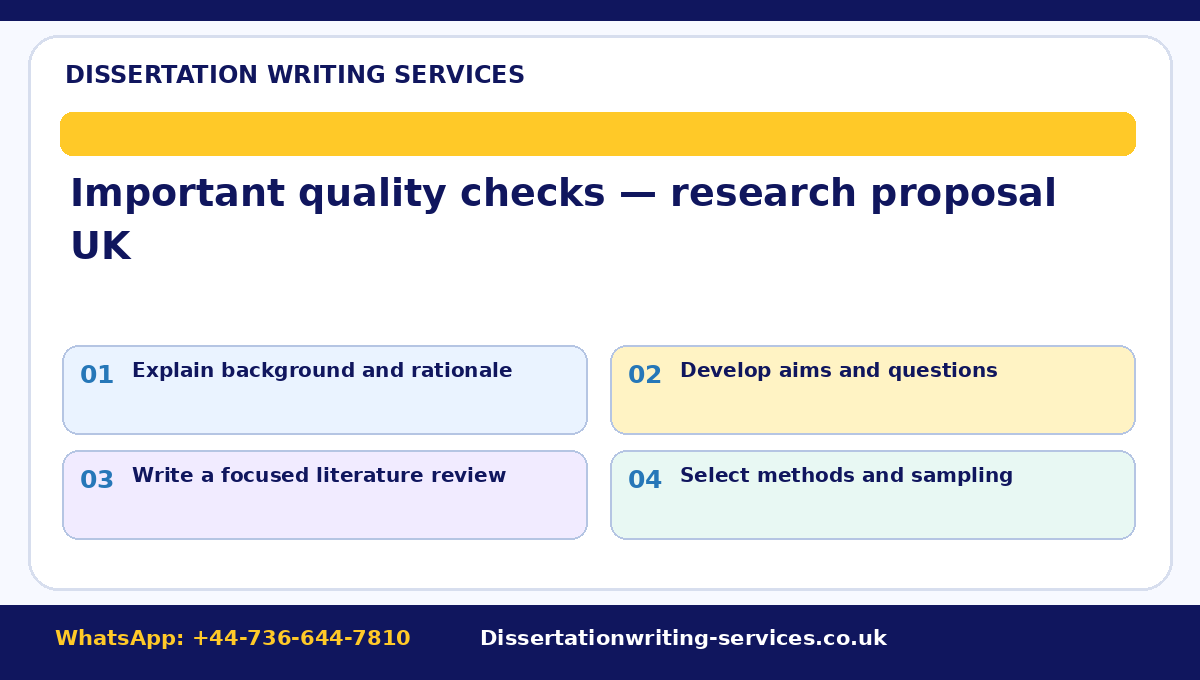
Figure 2. Write neutral and precise wording: an illustrative planning graphic.
Build a useful Likert scale
Build a useful Likert scale matters because it affects the quality of your master’s dissertation questionnaire. Start with the purpose of the work. Then check what your university or awarding body actually expects. A clear decision at this stage can prevent avoidable changes later.
Use a small, testable question rather than a sweeping claim. Identify the people, evidence or documents involved. Write down what you can access. Separate facts from assumptions. This makes your plan easier to explain to a supervisor or reviewer.
A practical starting point is to read three relevant sources. Record each source’s central argument, method and limitations. Then compare them. Look for differences in setting, population or interpretation. Do not describe a research gap as proven until you have checked the wider literature.
For example, consider this contrast: Poor: Do you agree our excellent online teaching is effective?. A more useful approach is: Better: How satisfied are you with the clarity of online teaching?. The revised wording is more specific. It also shows what evidence you would need. Adapt the example to your course rather than copying it as your final project.
Next, turn the idea into a short action plan. Decide what you will produce, how you will assess quality and when you will review progress. Keep the plan visible. If a step depends on access, consent or formal approval, resolve that dependency before collecting data.
Check the language you use. Words such as “prove”, “always” and “guarantee” can make an academic claim too strong. Prefer measured statements. Explain the limits of your evidence. A small but well-supported finding is more useful than an impressive claim you cannot defend.
Finally, ask for feedback. Show your question, a brief rationale and the evidence you expect to use. Ask what is missing. Record the advice and decide which changes are necessary. This creates a transparent route from early planning to a stronger final submission.
Questions to ask before moving on
- What does build a useful likert scale mean for my project?
- Which evidence supports my decision?
- What could go wrong and how would I respond?
- Who needs to review or approve this stage?
Sampling and recruitment
Sampling and recruitment matters because it affects the quality of your master’s dissertation questionnaire. Start with the purpose of the work. Then check what your university or awarding body actually expects. A clear decision at this stage can prevent avoidable changes later.
Use a small, testable question rather than a sweeping claim. Identify the people, evidence or documents involved. Write down what you can access. Separate facts from assumptions. This makes your plan easier to explain to a supervisor or reviewer.
A practical starting point is to read three relevant sources. Record each source’s central argument, method and limitations. Then compare them. Look for differences in setting, population or interpretation. Do not describe a research gap as proven until you have checked the wider literature.
For example, consider this contrast: Poor: Do you agree our excellent online teaching is effective?. A more useful approach is: Better: How satisfied are you with the clarity of online teaching?. The revised wording is more specific. It also shows what evidence you would need. Adapt the example to your course rather than copying it as your final project.
Next, turn the idea into a short action plan. Decide what you will produce, how you will assess quality and when you will review progress. Keep the plan visible. If a step depends on access, consent or formal approval, resolve that dependency before collecting data.
Check the language you use. Words such as “prove”, “always” and “guarantee” can make an academic claim too strong. Prefer measured statements. Explain the limits of your evidence. A small but well-supported finding is more useful than an impressive claim you cannot defend.
Finally, ask for feedback. Show your question, a brief rationale and the evidence you expect to use. Ask what is missing. Record the advice and decide which changes are necessary. This creates a transparent route from early planning to a stronger final submission.
Figure 3. Sampling and recruitment: an illustrative planning graphic.
Consent, privacy and UK ethics
Consent, privacy and UK ethics matters because it affects the quality of your master’s dissertation questionnaire. Start with the purpose of the work. Then check what your university or awarding body actually expects. A clear decision at this stage can prevent avoidable changes later.
Use a small, testable question rather than a sweeping claim. Identify the people, evidence or documents involved. Write down what you can access. Separate facts from assumptions. This makes your plan easier to explain to a supervisor or reviewer.
A practical starting point is to read three relevant sources. Record each source’s central argument, method and limitations. Then compare them. Look for differences in setting, population or interpretation. Do not describe a research gap as proven until you have checked the wider literature.
For example, consider this contrast: Poor: Do you agree our excellent online teaching is effective?. A more useful approach is: Better: How satisfied are you with the clarity of online teaching?. The revised wording is more specific. It also shows what evidence you would need. Adapt the example to your course rather than copying it as your final project.
Next, turn the idea into a short action plan. Decide what you will produce, how you will assess quality and when you will review progress. Keep the plan visible. If a step depends on access, consent or formal approval, resolve that dependency before collecting data.
Check the language you use. Words such as “prove”, “always” and “guarantee” can make an academic claim too strong. Prefer measured statements. Explain the limits of your evidence. A small but well-supported finding is more useful than an impressive claim you cannot defend.
Finally, ask for feedback. Show your question, a brief rationale and the evidence you expect to use. Ask what is missing. Record the advice and decide which changes are necessary. This creates a transparent route from early planning to a stronger final submission.
Practical comparison
| Check | Practical action |
| Unclear approach | Poor: Do you agree our excellent online teaching is effective? |
| Improved approach | Better: How satisfied are you with the clarity of online teaching? |
| Evidence check | Find a reliable source and confirm what it supports |
| Feasibility check | Confirm access, time and any required approval |
Pilot-test the questionnaire
Pilot-test the questionnaire matters because it affects the quality of your master’s dissertation questionnaire. Start with the purpose of the work. Then check what your university or awarding body actually expects. A clear decision at this stage can prevent avoidable changes later.
Use a small, testable question rather than a sweeping claim. Identify the people, evidence or documents involved. Write down what you can access. Separate facts from assumptions. This makes your plan easier to explain to a supervisor or reviewer.
A practical starting point is to read three relevant sources. Record each source’s central argument, method and limitations. Then compare them. Look for differences in setting, population or interpretation. Do not describe a research gap as proven until you have checked the wider literature.
For example, consider this contrast: Poor: Do you agree our excellent online teaching is effective?. A more useful approach is: Better: How satisfied are you with the clarity of online teaching?. The revised wording is more specific. It also shows what evidence you would need. Adapt the example to your course rather than copying it as your final project.
Next, turn the idea into a short action plan. Decide what you will produce, how you will assess quality and when you will review progress. Keep the plan visible. If a step depends on access, consent or formal approval, resolve that dependency before collecting data.
Check the language you use. Words such as “prove”, “always” and “guarantee” can make an academic claim too strong. Prefer measured statements. Explain the limits of your evidence. A small but well-supported finding is more useful than an impressive claim you cannot defend.
Finally, ask for feedback. Show your question, a brief rationale and the evidence you expect to use. Ask what is missing. Record the advice and decide which changes are necessary. This creates a transparent route from early planning to a stronger final submission.
Figure 4. Pilot-test the questionnaire: an illustrative planning graphic.
Plan analysis before launch
Plan analysis before launch matters because it affects the quality of your master’s dissertation questionnaire. Start with the purpose of the work. Then check what your university or awarding body actually expects. A clear decision at this stage can prevent avoidable changes later.
Use a small, testable question rather than a sweeping claim. Identify the people, evidence or documents involved. Write down what you can access. Separate facts from assumptions. This makes your plan easier to explain to a supervisor or reviewer.
A practical starting point is to read three relevant sources. Record each source’s central argument, method and limitations. Then compare them. Look for differences in setting, population or interpretation. Do not describe a research gap as proven until you have checked the wider literature.
For example, consider this contrast: Poor: Do you agree our excellent online teaching is effective?. A more useful approach is: Better: How satisfied are you with the clarity of online teaching?. The revised wording is more specific. It also shows what evidence you would need. Adapt the example to your course rather than copying it as your final project.
Next, turn the idea into a short action plan. Decide what you will produce, how you will assess quality and when you will review progress. Keep the plan visible. If a step depends on access, consent or formal approval, resolve that dependency before collecting data.
Check the language you use. Words such as “prove”, “always” and “guarantee” can make an academic claim too strong. Prefer measured statements. Explain the limits of your evidence. A small but well-supported finding is more useful than an impressive claim you cannot defend.
Finally, ask for feedback. Show your question, a brief rationale and the evidence you expect to use. Ask what is missing. Record the advice and decide which changes are necessary. This creates a transparent route from early planning to a stronger final submission.
Questions to ask before moving on
- What does plan analysis before launch mean for my project?
- Which evidence supports my decision?
- What could go wrong and how would I respond?
- Who needs to review or approve this stage?
Questionnaire examples and checklist
Questionnaire examples and checklist matters because it affects the quality of your master’s dissertation questionnaire. Start with the purpose of the work. Then check what your university or awarding body actually expects. A clear decision at this stage can prevent avoidable changes later.
Use a small, testable question rather than a sweeping claim. Identify the people, evidence or documents involved. Write down what you can access. Separate facts from assumptions. This makes your plan easier to explain to a supervisor or reviewer.
A practical starting point is to read three relevant sources. Record each source’s central argument, method and limitations. Then compare them. Look for differences in setting, population or interpretation. Do not describe a research gap as proven until you have checked the wider literature.
For example, consider this contrast: Poor: Do you agree our excellent online teaching is effective?. A more useful approach is: Better: How satisfied are you with the clarity of online teaching?. The revised wording is more specific. It also shows what evidence you would need. Adapt the example to your course rather than copying it as your final project.
Next, turn the idea into a short action plan. Decide what you will produce, how you will assess quality and when you will review progress. Keep the plan visible. If a step depends on access, consent or formal approval, resolve that dependency before collecting data.
Check the language you use. Words such as “prove”, “always” and “guarantee” can make an academic claim too strong. Prefer measured statements. Explain the limits of your evidence. A small but well-supported finding is more useful than an impressive claim you cannot defend.
Finally, ask for feedback. Show your question, a brief rationale and the evidence you expect to use. Ask what is missing. Record the advice and decide which changes are necessary. This creates a transparent route from early planning to a stronger final submission.
Frequently asked questions
What is the first step in Master’s dissertation questionnaire?
Start with your university guidance. Write down the requirement and the next action. Keep your project scope realistic.
How can I improve survey questions?
Choose a focused objective and compare it with credible academic evidence. Explain why your approach fits your question.
When should I check Likert scale?
Check this during planning and again before submission. Rules, source availability and ethical requirements may change.
Can I use examples of Master’s dissertation questionnaire?
Yes, for learning and planning. Do not present illustrative examples as your own findings or copy someone else’s assessed work.
How do I avoid mistakes with pilot testing?
Use precise language. Test your assumptions against evidence. Keep a record of changes and their reasons.
What if I cannot access the evidence I need?
Consider a permitted alternative method or a narrower question. Speak to your supervisor before making major changes.
How should I ask for supervisor feedback?
Send a short outline with a clear question, proposed method and two specific concerns. This makes feedback easier to use.
How do I know when my work is ready?
Check the marking criteria, citations, ethical permissions, evidence, formatting and deadline. Allow time for one final review.
Final checklist
☐ What a dissertation questionnaire must achieve
☐ Translate research objectives into survey items
☐ Choose question types carefully
☐ Write neutral and precise wording
☐ Build a useful Likert scale
☐ Sampling and recruitment
☐ Consent, privacy and UK ethics
☐ Pilot-test the questionnaire
☐ Plan analysis before launch
☐ Questionnaire examples and checklist
Sources
University of Leeds Business School, dissertation ethics guidance
UK Information Commissioner’s Office, data protection guidance
About the service
Dissertation Writing Services offers academic guidance and editing support. Students should follow their institution’s academic integrity rules and submit their own work.